
Duration
16 hours
From Movement to Mind
– In honor of Professor of Human Anatomy “Cosimo Passiatore”
UNIT ORGANIZING THE COURSE:
Center for International Medical Education (CIME)
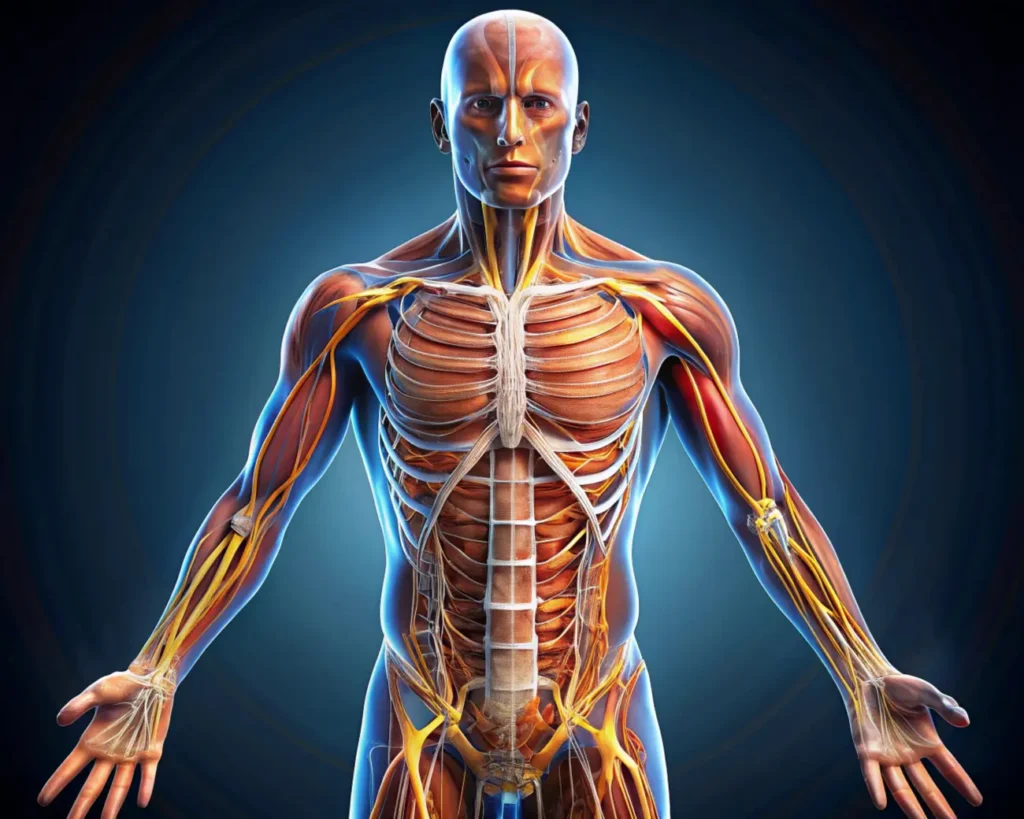

This course provides an immersive and high-intensity exploration of human anatomy through direct, hands-on dissection of real human cadavers, designed for a broad audience including medical students, residents, nursing students, midwifery students, allied health professionals, and clinicians seeking a deeper, functionally oriented understanding of the human body.
Structured over two full days, the program follows a progressive anatomical pathway, beginning with the musculoskeletal system—the foundation of movement, posture, and physical interaction—and advancing toward visceral anatomy and neuroanatomy, culminating in the study of the brain and central nervous system. This structured progression reflects the integration of structure and function across systems, facilitating a coherent and clinically meaningful learning experience.
Each day begins with a concise theoretical session, establishing the conceptual framework necessary for interpretation, followed by extensive hands-on cadaveric dissection under the guidance of internationally recognized anatomy professors and experienced clinicians. Participants engage in layer-by-layer anatomical exploration, identifying key structures, neurovascular pathways, fascial planes, and organ relationships, while continuously linking anatomical findings to clinical and professional practice.
The course is specifically designed to be interprofessional, promoting a shared anatomical language across disciplines and enhancing understanding of how different healthcare roles interact within the human body. Particular emphasis is placed on:
The learning environment encourages active participation, direct faculty interaction, and reflective discussion, fostering a deeper integration of anatomical knowledge beyond traditional didactic approaches.
By the end of the course, participants will have developed not only a refined understanding of human anatomy, but also the ability to interpret anatomical structures within their functional and clinical context, supporting improved clinical reasoning, procedural awareness, and interprofessional collaboration.
Educational Approach
The course follows a progressive anatomical and functional framework:
Each day integrates:
From movement to structural integration
08:30 – 09:30 | Theoretical Session (1 hour)
Topic: Functional Musculoskeletal Anatomy
Principles of movement and biomechanics
Fascial organization and compartmentalization
Neurovascular bundles of the limbs
Clinical relevance: trauma, nerve injury, compartment syndrome
09:30 – 11:00 | Practical Session 1 — Upper Limb
Shoulder girdle and axilla
Rotator cuff and deltoid region
Brachial plexus (infraclavicular portion)
Arm compartments and major vessels
Focus: functional anatomy of movement and innervation
11:00 – 11:15 | Coffee Break
11:15 – 12:45 | Practical Session 2 — Lower Limb
Gluteal region and hip joint
Femoral triangle and anterior thigh
Sciatic nerve and posterior compartment
Knee joint and popliteal fossa
Focus: load transmission and locomotion
12:45 – 13:45 | Lunch Break
13:45 – 15:15 | Practical Session 3 — Spine and Back
Superficial and deep back muscles
Vertebral column and ligaments
Introductory exposure of the spinal canal
Focus: posture, stability, and surgical access corridors
15:15 – 16:30 | Practical Session 4 — Functional Integration
Correlation between upper and lower limbs and the spine
Fascial continuity from superficial to deep planes
Review of neurovascular pathways
Case-based mini-discussion:
Polytrauma patient
Peripheral nerve injury
16:30 – 17:00 | Wrap-Up and Discussion
Key anatomical takeaways
Questions and answers with faculty
From organ systems to brain integration
08:30 – 09:30 | Theoretical Session (1 hour)
Topic: Visceral and Neuroanatomical Integration
Organization of thoracic and abdominal cavities
Vascular and lymphatic systems
Autonomic nervous system
Brain organization and functional anatomy
09:30 – 11:00 | Practical Session 1 — Thorax
Thoracic wall and pleural cavities
Lungs and mediastinum
Heart and major vessels
Focus: cardiopulmonary anatomy and emergency pathways
11:00 – 11:15 | Coffee Break
11:15 – 12:45 | Practical Session 2 — Abdomen
Abdominal wall and peritoneum
Liver, stomach, pancreas
Mesentery and vascular supply
Focus: surgical planes and oncologic anatomy
12:45 – 13:45 | Lunch Break
13:45 – 15:00 | Practical Session 3 — Neck
Cervical fascial layers
Carotid sheath (artery, vein, vagus nerve)
Thyroid and airway structures
Focus: anatomical transition between body and brain
15:00 – 16:15 | Practical Session 4 — Brain and Cranial Anatomy
Brain extraction and orientation
Cerebral lobes and cerebellum
Brainstem and cranial nerves
Focus: functional neuroanatomy and clinical relevance
16:15 – 17:00 | Final Integration and Discussion
“From Structure to Function” synthesis
Clinical reasoning session:
Stroke
Trauma
Neurodegeneration
Admission to the course is open to individuals with a demonstrated interest in human anatomy and its clinical application within healthcare practice. Given the intensive, hands-on nature of cadaveric dissection, candidates are expected to possess a foundational level of scientific knowledge and a professional attitude consistent with ethical and respectful handling of human specimens.
The course is designed for a multidisciplinary audience, including:
Medical students from the first year onward
Residents and early-career physicians
Nursing students and registered nurses
Midwifery students and practicing midwives
Allied health professionals (e.g., physiotherapists, radiographers, biomedical scientists)
Anatomy educators and academic trainees
Applicants should have:
Basic knowledge of human anatomy and physiology (university-level or equivalent)
Prior exposure to anatomical terminology and orientation (recommended but not mandatory)
Participants must:
Demonstrate respect for human dignity and adhere to ethical standards in cadaveric work
Comply with all laboratory safety regulations and institutional policies
Sign a confidentiality and ethical conduct agreement prior to participation
Participants should be aware that cadaveric dissection may be physically and emotionally demanding
Individuals must be capable of standing for prolonged periods and engaging in manual tasks
In case of limited availability, selection may be based on:
Relevance of the applicant’s academic or professional background
Motivation and expected benefit from the course
Chronological order of application
Completion of registration and payment procedures within the specified deadlines
This structured admission framework ensures that all participants are adequately prepared to benefit from the course while maintaining the highest standards of professionalism, safety, and educational quality.
 Kursy i szkolenia
 Kursy i szkolenia
Brak produktów w koszyku.